


קוואדראטצאל
אין מאטעמאטיק, איז א קוואדראטצאל א גאנצע צאל וואס מ'קען שרייבן אלס דער קוואדראט פון אן (אנדער) גאנצע צאל, ד.ה. דער פראדוקט פון א גאנצע צאל מיט זיך אליין. למשל , 9 איז א קוואדראטצאל , ווייל מען קען זי שרייבן 3 × 3. אלע קוואדראטצאלן זענען נישט-נעגאטיוו. מ'קען אויך זאגן אזוי—א (נישט-נעגאטיוו) צאל איז א קוואדראטצאל ווען איר קוואדראט ווארצל איז אויך א גאנצע צאל. למשל, √9 = 3, טא איז 9 א קוואדראטצאל.
געוויינלעך שרייבט מען פאר דעם קוואדראט פון דעם נומער n נישט דעם פראדוקט n × n, נאר דעם עקוויוואלענט עקספאנענציאציע n2, ארויסגערעדט "n קוואדראטירט".
זענען דא קוואדראטצאלן ביז n (עד ועד בכלל).

ביישפילן[רעדאַקטירן | רעדאַקטירן קוואַלטעקסט]
די ערשטע 49 קוואדראטצאל זענען:
- 202 = 400
- 212 = 441
- 222 = 484
- 232 = 529
- 242 = 576
- 252 = 625
- 262 = 676
- 272 = 729
- 282 = 784
- 292 = 841
- 302 = 900
- 312 = 961
- 322 = 1024
- 332 = 1089
- 342 = 1156
- 352 = 1225
- 362 = 1296
- 372 = 1369
- 382 = 1444
- 392 = 1521
- 402 = 1600
- 412 = 1681
- 422 = 1764
- 432 = 1849
- 442 = 1936
- 452 = 2025
- 462 = 2116
- 472 = 2209
- 482 = 2304
- 492 = 2401
אייגנקייטן[רעדאַקטירן | רעדאַקטירן קוואַלטעקסט]
דער נומער m איז א קוואדראטצאל נאר ווען מען קען איינארדענען m פונקטן אין א קוואדראט:
| 12=1 | 
|
| 22=4 | 
|
| 32=9 | 
|
| 42=16 | 
|
| 52=25 | 
|
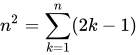
די nטע קוואדראטצאל n2 איז גלייכווערטיג צו דער סומע פון די ערשטע n נומען (), אזוי ווי מען זעט אין די בילדער אויבן, וואו איין קוואדראט קומט פון דעם פריערדיגן ווען מען לייגט צו א נומיקע צאל פונקטן (באצייכנט מיט '+'). למשל, 52 = 25 = 1 + 3 + 5 + 7 + 9.
די nקוואדראטצאל קען מען רעכענען פון די צוויי פריערדיגע דורך נעמען צוויי מאל דעם (n − 1)טן קוואדראט, אראפנעמען דעם (n − 2)טן קוואדראט, און צולייגן 2:
(). למשל, 2×52 − 42 + 2 = 2×25 − 16 + 2 = 50 − 16 + 2 = 36 = 62.

ס'איז כדאי צו באמערקן אז דh קוואדראטצאל פון יעדן נומער קען מען אויסרעכענען אלס א סומע 1 + 1 + 2 + 2 + ... + n – 1 + n – 1 + n. למשל, די קוואדראטצאל פון 4 אדער 42 איז גלייך מיט 1 + 1 + 2 + 2 + 3 + 3 + 4 = 16.
א קוואדראטצאל איז אויך די סומע פון צוויי הינטעראנאנדיקע דרייעקיקע צאל.
א קוואדראטצאל קען ענדיגן נאר מיט די ציפערן 00,1,4,6,9, אדער 25 אין באזע 10, ווי פאלגנדיק:
- אז דער לעצטער ציפער פון א צאל איז 0, זיין קוואדראט לאזט אויס 00 און דער פריערדיקער ציפערן מוזן אויף פארמירן א קוואדראט.
- אז דער לעצטער ציפער פון א צאל איז 1 אדער 9, זיין קוואדראט לאזט אויס 1 און די צאל פארמירט פון די פריערדיקע ציפער מוז טיילן זיך אויף פיר.
- אז דער לעצטער ציפער פון א צאל איז 2 אדער 8, זיין קוואדראט לאזט אויס 4 און דער פריערדיקער ציפער מוז זיין גראד.
- אז דער לעצטער ציפער פון א צאל איז 3 אדער 7, זיין קוואדראט לאזט אויס 9 און די צאל פארמירט פון די פריערדיקע ציפער מוז טיילן זיך אויף פיר.
- אז דער לעצטער ציפער פון א צאל איז 4 אדער 6, זיין קוואדראט לאזט אויס 6 און דער פריערדיקער ציפער מוז זיין נומיק.
- אז דער לעצטער ציפער פון א צאל איז 5, זיין קוואדראט לאזט אויס 25 און דער פריערדיקער ציפער מוז זיין 0, 2, 06 אדער 56.
א גרינגן וועג צו קוואדראטירן א צאל איז צו טרעפן צוויי צאלן וואס האבן זי אלס דורכשניט, 212: 20 און 22, און טאפלען די צוויי צאלן און צולייגן דעם קוואדראט פון דער ווייט פונעם דורכשניט: 22×20 = 440 + 12 = 441. דאס ארבעט צוליב דער אידענטיטעט: (x – y)(x + y) = x2 – y2
באקאנט אלס דער דיפערענץ פון צוויי קוואדראטן. אזוי (21 – 1)(21 + 1) = 212 – 12 = 440, אז מען רעכנט צוריקוועגס.
א קוואדראטצאל קען נישט זיין קיין פערפעקטע צאל.
נומיקע און גראדע קוואדראטצאלן[רעדאַקטירן | רעדאַקטירן קוואַלטעקסט]
דער קוואדראט פון א גראדער צאל איז גראד, ווייל (2n)2 = 4n2.
דער קוואדראט פון א נומיקער צאל איז נומיק, ווייל (2n + 1)2 = 4(n2 + n) + 1.
אזוי אויך איז דער קוואדראט ווארצל פון א גראדער קוואדראטצאל גראד, און דער קוואדראט ווארצל פון א נומיקער צאל נומיק.
טשענ'ס טעארעם[רעדאַקטירן | רעדאַקטירן קוואַלטעקסט]
טשען זשינגרון האט געוויזן אין 1975 אז עס איז שטענדיק דא א צאל P וואס איז אדער א פרימצאל אדער א פראדוקט פון צוויי פרימצאלן צווישן n2 און (n+1)2.
צו ליינען ווייטער[רעדאַקטירן | רעדאַקטירן קוואַלטעקסט]
- Conway, J. H. and Guy, R. K. The Book of Numbers. New York: Springer-Verlag, pp. 30-32, 1996. ISBN 0-387-97993-X
וועבלינקען[רעדאַקטירן | רעדאַקטירן קוואַלטעקסט]
- Dario Alpern, Sum of squares. A Java applet to decompose a natural number into a sum of up to four squares.
- Fibonacci and Square Numbersat